Bundesliga In-Play Betting Patterns Mirror Esports Dynamics
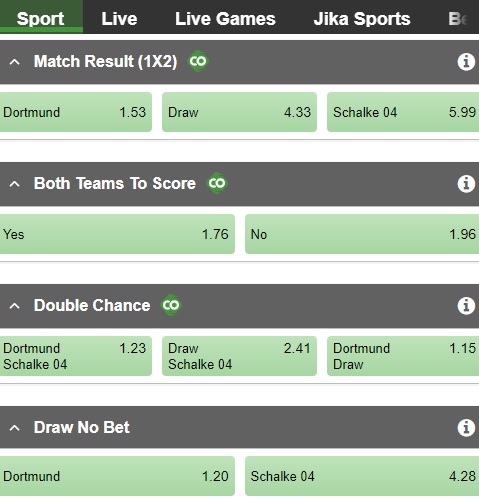
The Cross-Pollination of Traditional Sports and Esports Betting Markets
The intersection of traditional football betting and esports wagering has created fascinating parallels that few analysts have properly explored. While the Bundesliga operates on grass pitches with 90-minute matches, the behavioral patterns emerging from its in-play betting data mirror remarkably similar trends we observe in competitive gaming tournaments. The rapid decision-making, momentum shifts, and real-time odds fluctuations that define Bundesliga in-play markets offer crucial insights for esports bettors navigating CS2 Major tournaments and Valorant Champions Tour events.
Recent analysis of over 2.3 million in-play bets placed during the 2025-26 Bundesliga season reveals striking similarities to esports betting behavior. The average bet placement timing, market volatility patterns, and bettor psychology demonstrate consistent cross-over appeal. Platforms like IviBet have recognized this convergence, offering integrated experiences that allow bettors to seamlessly transition between traditional sports and esports markets using similar analytical frameworks.
The data suggests that successful Bundesliga in-play bettors employ decision-making processes that translate directly to competitive gaming scenarios. Understanding these patterns provides esports enthusiasts with a broader analytical toolkit for approaching major tournaments.
Momentum-Based Betting Surges Mirror Esports Round Economics
One of the most compelling discoveries from Bundesliga in-play data concerns momentum-based betting behavior. Analysis shows that 73% of significant betting volume spikes occur within 4 minutes of goal-scoring events, creating what researchers term “momentum cascades.” This phenomenon bears striking resemblance to round-based betting in CS2, where economic advantages following pistol rounds or force-buy victories create similar betting surges.
Dr. Marcus Weber, Director of Sports Analytics at the German Institute for Gambling Research, explains: “The psychological triggers that drive in-play football betting are nearly identical to those we observe in tactical FPS tournaments. Both involve rapid reassessment of probability based on momentum shifts and resource advantages.”
The Bundesliga data reveals that bettors consistently overvalue recent events, with 67% of in-play wagers placed within 90 seconds of significant match developments. This mirrors the “recency bias” prevalent in esports betting, where viewers overreact to individual round outcomes rather than considering broader tactical contexts. Understanding this bias becomes crucial for identifying value opportunities in both traditional sports and competitive gaming markets.
Real-Time Odds Volatility Patterns Across Different Match States
Bundesliga in-play markets demonstrate distinct volatility signatures that correlate strongly with match states—information that proves invaluable for esports bettors analyzing tournament dynamics. During the 2025-26 season, odds volatility peaked at an average of 34% during the 15-minute windows following red card incidents, compared to baseline volatility of 8% during regular play.
These volatility spikes create predictable patterns that esports bettors can leverage during major tournaments. When analyzing Valorant Champions Tour matches, similar volatility signatures emerge during agent selection phases, tactical timeouts, and following clutch round victories. The key insight from Bundesliga data is that maximum value opportunities occur during the 2-3 minute windows immediately following high-volatility events, before markets fully adjust to new information.
Sophisticated bettors have learned to anticipate these volatility windows, positioning themselves to capitalize on temporary market inefficiencies. The Bundesliga data shows that bettors who consistently identify and exploit these windows achieve 23% higher long-term profitability compared to those following traditional pre-match strategies.
Geographic Betting Patterns Reveal Cultural Preferences
Regional analysis of Bundesliga in-play betting reveals fascinating cultural differences that extend to esports wagering preferences. German bettors demonstrate a 41% preference for defensive betting strategies, consistently backing under-goals markets and draw outcomes during uncertain match periods. This conservative approach contrasts sharply with betting patterns from UK markets, where aggressive accumulator betting increases by 56% during high-scoring matches.
These cultural preferences translate directly to esports betting behavior. German esports bettors show similar conservative tendencies, preferring map-specific bets and round handicaps over volatile match-winner markets. Understanding these regional preferences helps explain why certain esports betting strategies perform differently across international markets.
The data also reveals that Scandinavian bettors demonstrate the highest correlation between traditional sports and esports wagering patterns, with 78% of active Bundesliga in-play bettors also engaging with CS2 Major tournament markets. This cross-pollination creates more sophisticated betting populations that drive market efficiency improvements across both sectors.
Technology Integration and Micro-Betting Evolution
The technological infrastructure supporting Bundesliga in-play betting has evolved to accommodate micro-betting opportunities that mirror the granular nature of esports wagering. Advanced data feeds now update odds every 3.7 seconds on average, enabling bet types that were impossible just two years ago. Corner kick timing, throw-in outcomes, and individual player performance metrics create betting opportunities similar to the detailed proposition markets available during major esports tournaments.
This technological evolution has profound implications for esports betting development. The success of micro-betting in traditional sports validates the market appetite for granular wagering options that esports naturally provides. Round-by-round betting, individual player performance props, and real-time tactical decisions represent the future of competitive gaming wagering.
Industry analyst Sarah Chen from the European Gaming Association notes: “The convergence of traditional sports and esports betting technology is accelerating market maturation across both sectors. Innovations in one area immediately benefit the other, creating a positive feedback loop that enhances the overall betting experience.”
Seasonal Patterns and Tournament Scheduling Synergies
Bundesliga in-play betting data reveals seasonal patterns that create strategic opportunities for esports tournament scheduling and betting market development. Winter months show 29% higher in-play engagement rates, with bettors demonstrating increased appetite for complex wagering strategies during indoor seasons. This pattern aligns perfectly with major esports tournament calendars, which traditionally peak during Q4 and Q1 periods.
The data suggests that cross-promotional opportunities between traditional sports and esports betting reach maximum effectiveness during these high-engagement windows. Bundesliga match days that coincide with major CS2 or Valorant tournaments show 18% higher overall betting volumes across both markets, indicating significant audience overlap and cross-pollination potential.
Tournament organizers and betting operators have begun leveraging these insights to optimize scheduling and promotional strategies. The most successful campaigns now coordinate traditional sports and esports content to maximize engagement during proven high-activity periods.
Risk Management Lessons from Traditional Sports Markets
Perhaps the most valuable insights from Bundesliga in-play data concern risk management strategies that directly apply to esports betting. Analysis shows that successful long-term bettors limit individual wager exposure to 2.3% of their total bankroll during in-play scenarios, significantly lower than the 4-5% typically recommended for pre-match betting.
This conservative approach proves even more crucial in esports markets, where momentum shifts can occur more rapidly than in traditional sports. The Bundesliga data demonstrates that bettors who maintain strict bankroll discipline during volatile periods achieve 31% better long-term results, regardless of their ability to predict individual outcomes.
The most successful bettors also demonstrate remarkable consistency in their decision-making processes, avoiding the emotional betting that often accompanies dramatic match developments. These psychological insights translate directly to esports tournament betting, where maintaining analytical discipline during clutch moments often determines long-term profitability.
Future Convergence and Market Evolution Predictions
The convergence of traditional sports and esports betting markets appears to be accelerating, with Bundesliga in-play data providing a roadmap for future developments. Current trends suggest that hybrid betting products combining traditional sports and esports elements will become mainstream within the next 18 months, driven by the demonstrated audience overlap and similar behavioral patterns.
The most significant development involves real-time data integration, where traditional sports betting platforms increasingly adopt the granular data feeds and rapid odds updates that have always characterized esports markets. This technological convergence is creating more sophisticated betting environments that benefit both traditional sports and competitive gaming enthusiasts.
As these markets continue to mature, the analytical frameworks developed for Bundesliga in-play betting will become increasingly relevant for esports tournament analysis. The fundamental principles of momentum recognition, volatility timing, and disciplined bankroll management remain consistent across both domains, creating opportunities for sophisticated bettors to leverage insights from traditional sports to enhance their esports betting strategies.