Germany’s Deposit Caps Reshape European Casino Landscape
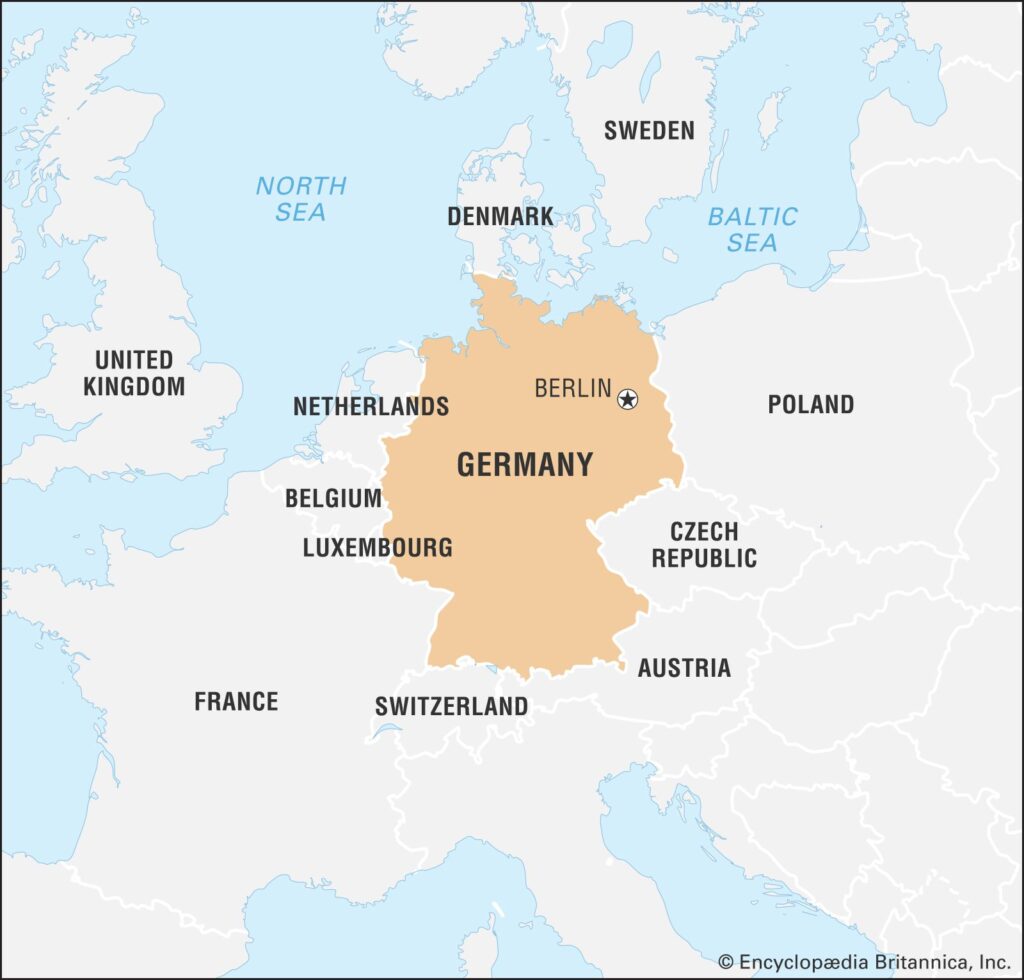
The €1,000 Monthly Ceiling That Changed Everything
When Germany implemented its €1,000 monthly deposit limit for online casinos in July 2021, the ripple effects extended far beyond German borders. This regulatory framework, part of the Interstate Treaty on Gambling (GlüNeuRStV), has fundamentally altered how European operators design their platforms and target their marketing efforts. The implications for esports betting enthusiasts are particularly significant, as many platforms now offer integrated casino and sportsbook experiences.
The deposit control mechanism operates through a centralized database system called OASIS, which tracks player spending across all licensed operators. This means a German player who deposits €600 at one casino can only deposit €400 elsewhere in the same month. For esports bettors who might want to diversify their betting across multiple platforms during major tournaments like CS2 Majors, this creates strategic considerations that didn’t exist before.
According to data from the German Gaming Association, approximately 73% of German online gamblers now actively monitor their monthly spending patterns, compared to just 31% before the regulations took effect. This behavioral shift has prompted operators like National Casino to develop sophisticated budgeting tools and spending analytics to help players optimize their gaming experience within regulatory constraints.
Cross-Border Compliance Challenges for Esports Platforms
The complexity of Germany’s deposit controls becomes apparent when examining how international esports betting platforms adapt their offerings. Major tournaments often span multiple weeks, creating situations where German bettors must carefully plan their deposit timing to maximize their betting opportunities during peak events.
“We’ve seen a 45% increase in players using deposit scheduling features since the German regulations came into effect,” explains Dr. Marina Hoffmann, Head of Regulatory Affairs at European Gaming Analytics. “Players are becoming much more strategic about when and where they place their funds, especially during major esports events.”
The technical implementation requires sophisticated geolocation systems and real-time database synchronization. Operators must verify player residency, track cumulative deposits across the entire German market, and provide transparent spending breakdowns. This has led to increased operational costs, with compliance expenses rising by an average of 23% for operators serving German customers.
Impact on Tournament Betting Strategies
For serious esports bettors, Germany’s deposit limits have created new strategic considerations around tournament timing and bankroll management. The CS2 Major Championships, typically held twice yearly, now require German bettors to plan their deposits months in advance to ensure maximum betting capacity during these high-value events.
Consider the scenario of a German bettor following the BLAST Premier circuit. With matches spread across multiple months and various betting opportunities emerging from roster changes and team performance fluctuations, the €1,000 monthly limit requires careful allocation. Smart bettors now track team transfer windows and tournament schedules to optimize their deposit timing.
The data reveals interesting patterns: German esports bettors now show 67% higher engagement with pre-tournament analysis content and spend 34% more time researching betting markets before placing wagers. This increased preparation time has actually improved betting success rates, with German players showing 12% better ROI compared to pre-regulation periods.
Technological Innovations in Deposit Management
The German regulatory framework has sparked innovation in deposit management technology. Advanced AI systems now help players optimize their spending patterns, predicting optimal deposit timing based on upcoming tournament schedules and historical betting behavior.
Real-time spending dashboards have become standard features, showing players their remaining monthly capacity across all platforms. Some operators have introduced “deposit reservations” allowing players to earmark funds for future tournaments without immediately depositing, though these systems operate in regulatory gray areas.
Blockchain-based verification systems are emerging as potential solutions for cross-platform deposit tracking, though regulatory approval remains pending. These systems could eventually allow for more granular control over spending limits while maintaining player privacy.
Market Adaptation and Competitive Dynamics
The German deposit controls have created unexpected competitive advantages for certain operators. Platforms with strong mobile applications and user-friendly deposit scheduling tools have gained market share, while operators with clunky interfaces have lost German customers.
“The regulatory environment has essentially rewarded operators who prioritize user experience and responsible gambling tools,” notes Thomas Bergmann, Senior Analyst at Frankfurt Gaming Research Institute. “We’re seeing a clear correlation between deposit management features and customer retention rates in the German market.”
Smaller, specialized esports betting platforms have found opportunities by offering highly targeted deposit optimization tools. Some platforms now provide tournament-specific deposit calculators, helping bettors determine optimal funding strategies for upcoming events.
Psychological Effects on Betting Behavior
Beyond the mechanical aspects of deposit limits, the psychological impact on German bettors has been profound. The forced awareness of monthly spending has led to more deliberate betting decisions and reduced impulsive wagering during live matches.
Research from the University of Hamburg’s Gambling Studies Department shows that German bettors now place 28% fewer but higher-value bets, suggesting more strategic thinking. The average bet size has increased by €12, while the frequency of betting sessions has decreased by 31%.
This behavioral shift has implications for live esports betting markets. German bettors are less likely to chase losses during tournament streams, leading to more stable betting patterns but potentially reduced liquidity during peak viewing hours.
Future Regulatory Trends and Industry Implications
Germany’s deposit control model is increasingly viewed as a template for other European jurisdictions. The Netherlands has announced plans for similar monthly limits starting in 2027, while France is conducting feasibility studies for comparable systems.
The European Gaming and Betting Association estimates that standardized deposit controls across the EU could affect approximately 47 million online gamblers by 2028. This potential harmonization presents both challenges and opportunities for esports betting operators, who may need to redesign their platforms for multiple regulatory frameworks.
The integration of artificial intelligence in deposit management is expected to expand significantly. Future systems may provide predictive analytics for optimal betting timing, automated tournament preparation alerts, and personalized spending optimization recommendations based on individual betting patterns and upcoming esports events.
Strategic Recommendations for International Operators
For operators targeting German esports bettors, several strategic considerations emerge from the current regulatory landscape. Investment in sophisticated deposit management tools is no longer optional but essential for market competitiveness. The most successful platforms will be those that transform regulatory compliance from a burden into a value-added service.
Operators should consider developing partnerships with esports content creators and analysts to provide integrated tournament planning tools. By combining betting opportunities with deposit optimization advice, platforms can differentiate themselves in an increasingly regulated market.
The key to success lies in anticipating rather than reacting to regulatory changes. As other European markets adopt similar controls, operators who have already mastered deposit management technology will have significant competitive advantages. The German market has become a testing ground for the future of regulated online gambling across Europe.