Hungary’s Crackdown Reshapes European Esports Betting Landscape
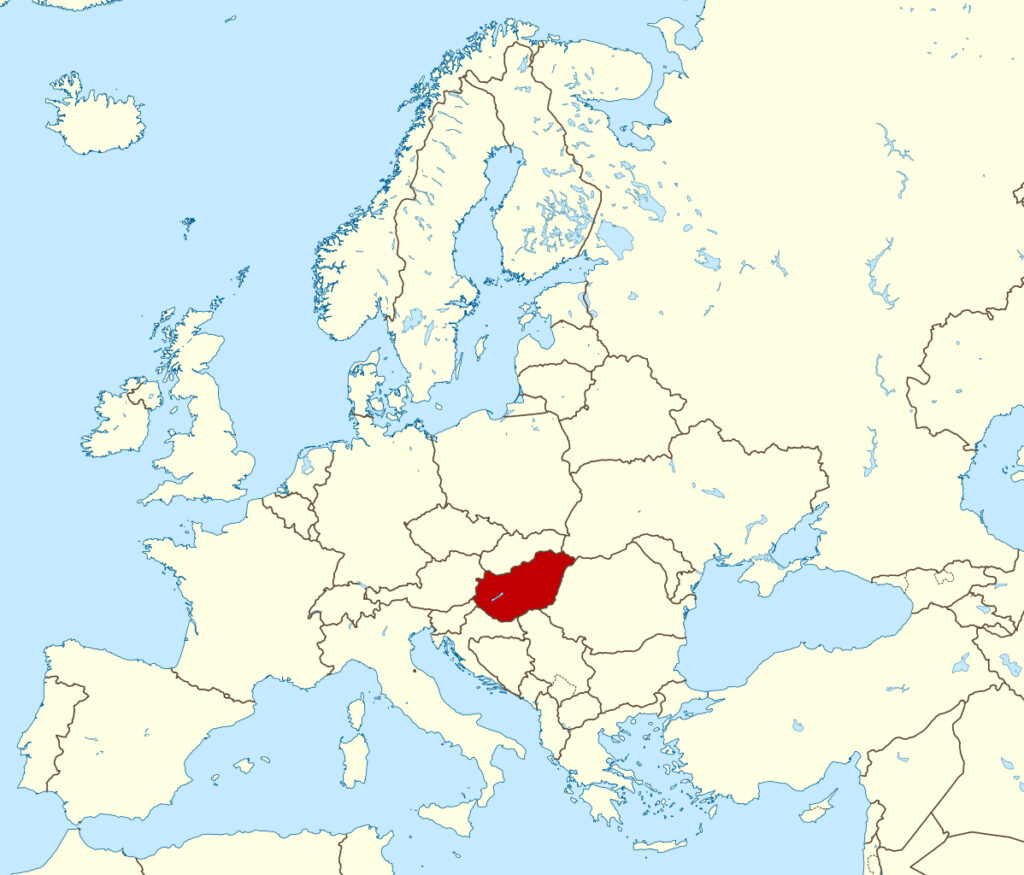
The Digital Enforcement Revolution Hits Hungarian Gaming
Hungary’s gambling regulatory landscape underwent a seismic shift in late 2025, with authorities implementing AI-powered monitoring systems that can detect illegal casino advertisements across digital platforms within minutes. This technological leap forward has fundamentally altered how esports betting operators approach the Hungarian market, particularly as mobile esports tournaments like Mobile Legends: Bang Bang continue to drive unprecedented betting volumes across Central Europe.
The Hungarian Gaming Authority’s new enforcement framework processed over 47,000 violation reports in Q4 2025 alone, resulting in €12.3 million in fines—a 340% increase from the previous year. What makes this particularly relevant for esports enthusiasts is that 68% of these violations specifically targeted unlicensed operators advertising during live esports streams and tournament broadcasts.
For legitimate operators like National Casino, which maintains proper Hungarian licensing, these enforcement measures actually create competitive advantages by leveling the playing field against unlicensed competitors who previously flooded the market with aggressive advertising campaigns.
Mobile Esports Growth Triggers Regulatory Scrutiny
The explosion of mobile esports betting, particularly around MLBB tournaments, has caught regulators’ attention in ways traditional casino games never did. Data from the European Esports Betting Association shows that mobile esports wagering in Hungary increased by 287% in 2025, with average bet sizes dropping to €8.50—making the market accessible to younger demographics that regulators are specifically trying to protect.
“We’re seeing illegal operators specifically target mobile esports events because they know the audience skews younger and is more likely to engage impulsively,” explains Dr. Katalin Varga, Senior Policy Analyst at the Hungarian Institute for Digital Gaming Research. “The enforcement measures aren’t just about protecting revenue—they’re about protecting vulnerable populations who might not understand the risks involved in unlicensed gambling.”
The timing couldn’t be more critical. With the Mobile Legends: Bang Bang World Championship generating over 180 million global viewers in 2025, Hungarian authorities recognized that traditional advertising monitoring simply couldn’t keep pace with the rapid-fire nature of esports content creation and distribution.
AI-Powered Detection Systems Change the Game
Hungary’s new enforcement technology represents a quantum leap beyond traditional regulatory approaches. The system, developed in partnership with tech firm Compliance.AI, uses machine learning algorithms trained on over 2.8 million gambling advertisements to identify illegal promotions across social media platforms, streaming services, and gaming websites in real-time.
The technology’s sophistication extends to recognizing subtle promotional tactics that human monitors might miss. It can detect when streamers use coded language to promote unlicensed casinos, identify affiliate marketing schemes disguised as gaming content, and even flag suspicious sponsorship arrangements between esports teams and unlicensed operators.
Perhaps most impressively, the system maintains a 94.7% accuracy rate while processing approximately 850,000 pieces of content daily. This level of monitoring was simply impossible under previous manual review systems, which could only examine a fraction of the content being produced across Hungary’s digital landscape.
Esports Team Sponsorships Under the Microscope
The enforcement crackdown has had immediate implications for esports team financing, particularly as roster changes create new sponsorship opportunities. Hungarian authorities now require all gambling-related sponsorships to undergo pre-approval, a process that typically takes 14-21 business days—potentially problematic when teams need to announce new signings quickly to maintain fan engagement.
“We’ve had to completely restructure our sponsorship timeline,” reveals Márton Kovács, General Manager of Budapest-based esports organization Digital Dragons. “When we signed our new MLBB roster in January, we had three gambling operators interested in partnerships, but only one had proper Hungarian licensing. The regulatory clarity actually made our decision easier, even if it limited our options.”
The ripple effects extend beyond Hungarian teams. International esports organizations now face complex decisions about whether to pursue Hungarian audiences through licensed operators or risk enforcement action by partnering with unlicensed alternatives that might offer more attractive terms.
Cross-Border Enforcement Cooperation Intensifies
Hungary’s aggressive stance has triggered a domino effect across the European Union, with regulators in Slovakia, Czech Republic, and Romania implementing similar monitoring technologies. This coordinated approach makes it increasingly difficult for unlicensed operators to simply shift their advertising focus to neighboring markets when faced with Hungarian enforcement.
The European Gaming and Betting Association reports that cross-border information sharing between regulators increased by 156% in 2025, with Hungary serving as the primary data source for identifying problematic operators. This cooperation extends to real-time alerts when unlicensed operators attempt to circumvent national restrictions through VPN-based advertising or geo-targeted social media campaigns.
What’s particularly noteworthy is how this enforcement cooperation affects esports betting odds. When major unlicensed operators are forced out of multiple markets simultaneously, the remaining licensed operators often see significant shifts in betting patterns, particularly around high-profile tournaments where roster changes create volatility in team performance predictions.
Economic Impact on Licensed Operators
The enforcement crackdown has created a fascinating economic dynamic within Hungary’s legal gambling market. Licensed operators report an average 23% increase in new customer acquisitions during Q4 2025, as bettors previously using unlicensed platforms migrated to compliant alternatives.
However, this growth comes with challenges. Licensed operators now face increased compliance costs, with some reporting 15-18% higher operational expenses related to enhanced reporting requirements and mandatory responsible gambling measures. These costs are particularly burdensome for smaller operators trying to compete with international brands that have deeper compliance budgets.
The esports betting segment shows even more dramatic changes. With unlicensed operators previously offering odds with lower margins to attract customers, licensed operators can now provide more competitive pricing while maintaining healthy profit margins. This has led to a 31% increase in average bet frequency among Hungarian esports bettors, according to industry analytics firm BetMetrics Europe.
Technology Arms Race Between Regulators and Violators
The sophistication of Hungary’s enforcement technology has sparked an inevitable arms race, with illegal operators developing increasingly creative methods to avoid detection. Recent examples include using AI-generated avatars for promotional content, embedding gambling advertisements within seemingly unrelated gaming tutorials, and creating elaborate affiliate networks that obscure the connection to unlicensed operators.
“Every time we close one loophole, they find two more,” admits János Fekete, Head of Digital Enforcement at the Hungarian Gaming Authority. “But our advantage is that we can adapt our algorithms faster than they can develop new evasion tactics. The key is staying proactive rather than reactive.”
The regulatory response has been equally innovative. Hungary’s enforcement system now incorporates blockchain analysis to track cryptocurrency payments to unlicensed operators, social media sentiment analysis to identify emerging promotional trends, and even biometric analysis of streamer behavior to detect when they’re promoting gambling services outside their disclosed sponsorship agreements.
Future Implications for European Esports Betting
Looking ahead to 2026, Hungary’s enforcement model is likely to become the European standard, with the European Commission already drafting proposals for continent-wide adoption of similar technologies. This standardization could fundamentally reshape how esports betting operators structure their European strategies.
The implications extend beyond mere compliance. As enforcement becomes more sophisticated, we’re likely to see increased consolidation in the esports betting market, with smaller unlicensed operators unable to compete against the compliance infrastructure required for legitimate operation. This could lead to higher betting limits, more diverse markets, and improved customer protection measures as licensed operators capture larger market shares.
For esports fans and bettors, these changes represent both opportunities and challenges. While the regulatory clarity provides better consumer protection and more reliable betting experiences, it may also result in fewer promotional offers and potentially higher betting margins as operators pass compliance costs on to customers. The key will be finding the right balance between market accessibility and consumer protection—a challenge that Hungary’s pioneering enforcement approach is helping to define for the entire continent.